

The Federation of European Biochemical Societies (FEBS) is a not-for-profit learned society composed of 35,000 members from across the globe. It describes itself as ‘a charitable organization supporting research and education in molecular life sciences through its journals, fellowships, courses, congress and other activities’. Indeed, in 2017 FEBS awarded €1,375,486 in bursaries, travel grants and …
Monthly archives: March 2019
Resisting Amazon’s influence on open access publishing

I was recently given Amazon credit as payment for peer-reviewing a monograph. While this was a nice perk for doing something I probably would have done for free, it is striking to see just how much Amazon impacts on the publishing industry in often unexpected ways. The influence of Amazon on open access — from …
Continue reading “Resisting Amazon’s influence on open access publishing”
Plan S: how open access can nurture new positive and collective forms of ‘academic freedom’

Following on from my last post on academic freedom and statements of principle, I want to further clarify my thoughts on how academic freedom relates to open access mandates. Paradoxically, despite claiming that objections to open access mandates on the grounds of academic freedom are mere conservatism, it is likely that the coercive aspect of …
Plan S: academic freedom and statements of principle
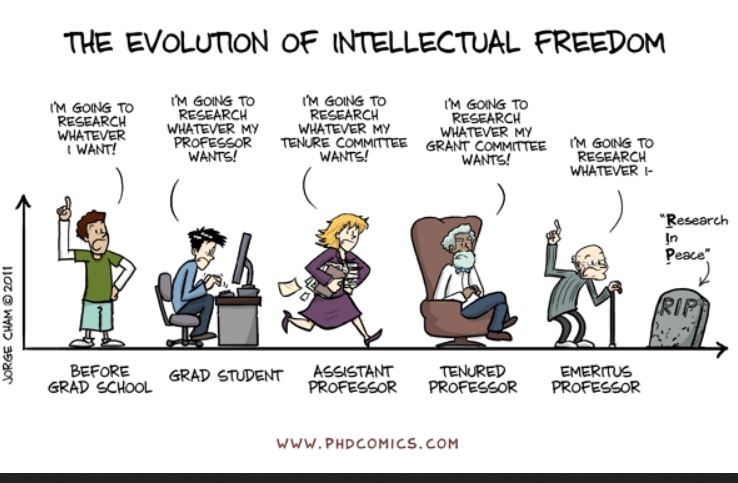
This is a restatement of something that I (and others no doubt) have said before, but I thought it worth putting down in writing here. I recently saw a few people on Twitter sharing a link to the Academic Freedom Monitoring Project highlighting its relevance to Plan S. The project collates and archives examples of …
Continue reading “Plan S: academic freedom and statements of principle”