
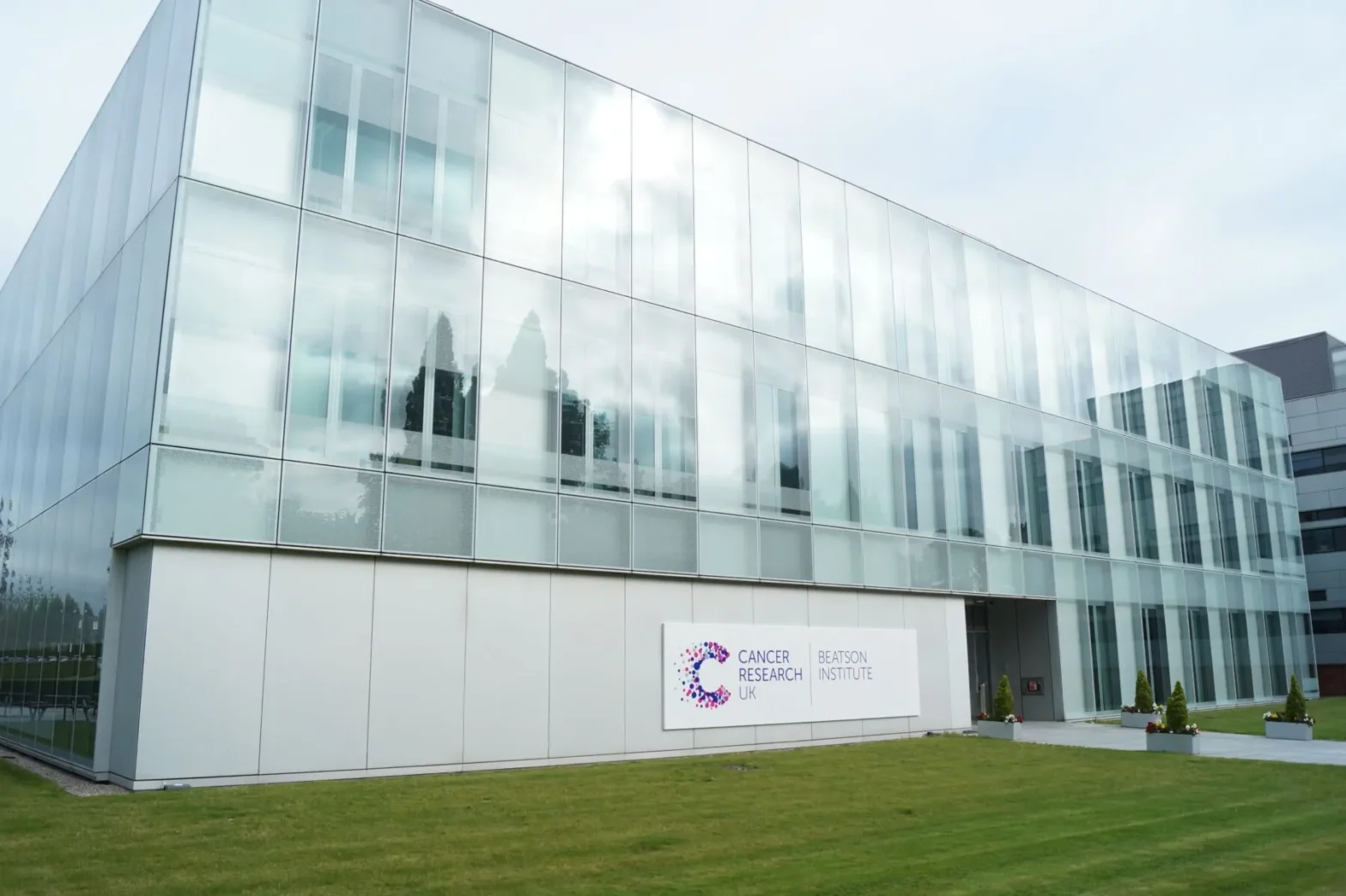
Cancer Research UK’s decision to stop funding article processing charges marks a significant shift in how they approach open access. In its April 1st announcement (not an April Fool), the organisation argues that, despite years of investment, the current APC-driven model of open access publishing “hasn’t worked” in delivering a system that is genuinely accessible or fair. Instead of reducing barriers, they claim, the model has simply propped up the businesses of for-profit publishers, especially through hybrid journals of subscription and open access content.
A central concern is the inefficient use of charitable funds. Cancer Research UK estimates that ending APC funding will save around £5.2 million over three years, money it argues can be better spent directly on research. The organisation highlights the contradiction of using donated funds to cover publishing fees while the same research community continues to pay subscription costs to access journals. In this sense, APCs are framed not as a sustainable solution to access, but as part of a system that duplicates costs without resolving underlying inequities.
More broadly, the decision reflects a critique of the scholarly publishing ecosystem itself. Cancer Research UK maintains its commitment to open access in principle, but argues that the current system is failing to deliver “an efficient and fair” model of communication. While it is not clear whether other funders will follow suit, the mood in the UK does seem to have markedly shifted against open access and whether it is worth the costs. The UK has spent a great deal on OA and many are feeling that the investment has simply lined the pockets of the commercial publishing industry.
Yet missing from the announcement is what CRUK’s commitment to open access looks like in the absence of money supporting the same. The charity has reintroduced an embargo period to its OA policy, allowing researchers 6 months before their articles have to be openly available, and so their commitment to OA is already diluted through the announcement. The charity hopes that withdrawing funding will ultimately “drive publishers to look for a more sustainable arrangement between themselves, universities and academic institutions.”
It is reasonable to want to reassess APC-driven approaches to open access publishing. As funders made money available for OA, publishers have oriented their business models around article volume in order to receive as many APCs as possible and to convince institutions that transformative agreements are worthwhile. The result is a situation in which more and more articles are published, as quickly as possible, with recourse to as little paid labour as possible. Publishers prioritise scale, automation and homogeneity to cope with this volume, leading to problems of fraud, oversupply and peer review fatigue.
It is worth considering whether the withdrawal of APC funding will help with this issue. For starters, CRUK’s decision does not impact the general support for OA at UK universities, many of which have agreements allowing researchers to publish without the need to access CRUK’s APC funding. Given this, the immediate impact of this policy would be to push the costs further onto universities in the form of publishing agreements. The announcement therefore weakens (at least in a small part) the future negotiating position of universities that will be under more pressure to subscribe to these agreements. It would weaken further if other funders follow suit.
This is just the issue: funders cannot claim to want open access while withdrawing funding from open access. Instead, the support needs to be better targeted to the kinds of publishing models they want. It is telling, for example, that the new CRUK policy does not mandate preprints (as some funders have) or provide financial support for non-commercial forms of open access. Instead, the move seems to be a case of austerity dressed up as ethical decision-making, withdrawing support for the idea of open access while claiming it’s all about profiteering.
This situation is one of the consequences of funders having limited tools to bring about the change they hope to see. Much of OA policy (as my book explores) is grounded in an ideology that treats everything as a market problem to be fixed through market instruments. This is the same neoliberal logic that gave rise to APCs and the hope that researchers would create a more functioning market by becoming price sensitive in their publishing decisions. But of course, the withdrawal of funding is grounded in exactly the same logic: that indiscriminately giving and taking away funding is the sum total of how to intervene in the policy space. What is needed is more careful and targeted than this approach is able to achieve.
I don’t really know what the way forward should be for funders, but I do know that pulling money from this space is a terrible idea. Open access is a good thing and can be achieved in a variety of different ways that do not simply bow down to individual incentives to publish in the most prestigious way possible. Why not engage your disciplinary communities and work out a community-led way of navigating the problem of commercial publishing? Fund overlay journals, incentivise preprint deposit, support alternative publications, lobby for secondary publishing rights. Put differently: if your problem with open access is that commercial publishers are hoovering up all the money, design open access interventions that specifically prevent commercial publishers from receiving your money. It is absolutely the right time to be building capacity for alternative publishing structures and getting researchers to engage with them, not shrugging your shoulders and letting the market figure it out once more.